Low-E Glass
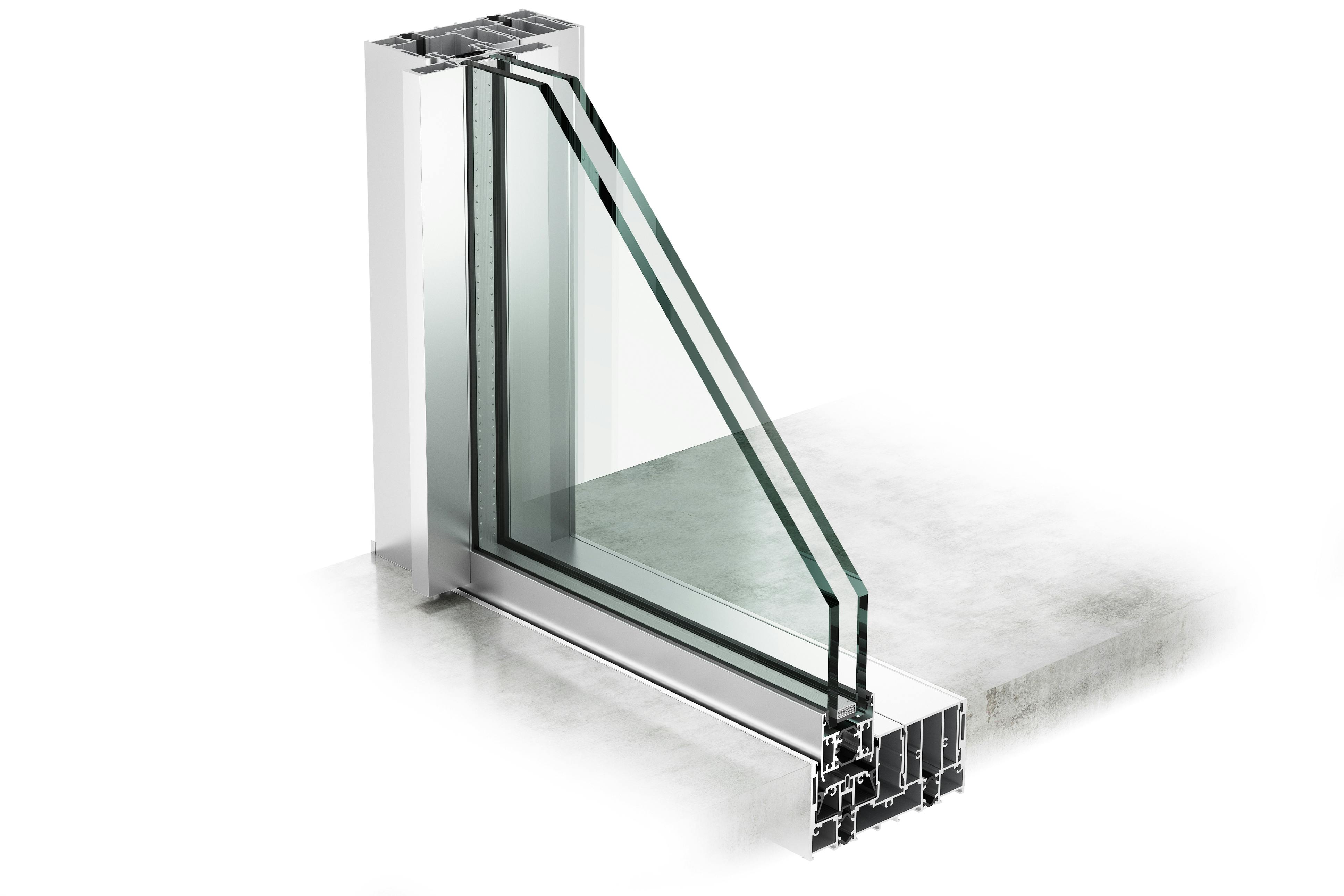
Low-emissivity (Low-E) glass is a thermally efficient option designed to reduce heat loss in buildings. It features a thin, transparent coating that reflects heat back indoors, preventing it from escaping. This ensures warmer interiors during colder months without relying solely on heating systems. Our specialised tools check for proper Low-E coating application, guaranteeing optimal performance in energy-conscious designs.
Low Iron Glass
Low iron glass offers superior clarity by reducing the greenish tint/hue seen in standard glass. This clarity makes it a popular choice for projects requiring maximum natural light or high-visibility edges, such as showrooms or architectural applications. By replacing some iron content with alternative materials, this product offers a bright, more colour-neutral appearance for contemporary spaces.
Acoustic Glass
Acoustic glass minimises noise pollution, making it ideal for buildings in loud environments like cities or near transport hubs. Using specialist laminated layers with an interlayer designed to absorb sound vibrations, acoustic glass reduces the transfer of sound waves through the panes. This creates a calmer, quieter interior, even in the face of external noise from heavy traffic or industrial activity, while maintaining a visually appealing finish.
Safety Glass
Safety glass is made with enhanced breakage resistance for secure applications in homes and commercial spaces. Building regulations often require the use of safety glass (toughened or laminate) in low-level windows and nearly all glazed doors, and it's highly recommended for homes with children or pets. With its shatter-resistant properties, safety glass reduces risks associated with accidental impacts, offering unparalleled peace of mind for families and businesses alike.
We use safety glass in all locations as standard as we feel that should be the true minimum standard for any home owner.
Heat Soak Tested Toughened (Safety Glass)
Heat soak tested (HST) toughened safety glass undergoes an advanced process to reduce the chances of later breakage due to nickel sulphide inclusions. Larger panes of thermally toughened glass are subjected to a meticulous heat soak process, which involves heating the glass to over 280°C, holding it at 290°C ± 10°C for two hours, and then cooling it in a controlled manner. This procedure exposes potential critical inclusions - impurities within the glass that could lead to spontaneous breakage - ensuring the panes that pass are exceptionally durable. HST toughened glass withstands thermal stresses and shocks at levels that exceed five times the strength of standard annealed glass (float glass), making it an even more robust solution for applications where safety and stability are paramount.